
What Are the Maintenance Requirements for a Hem Brew System?
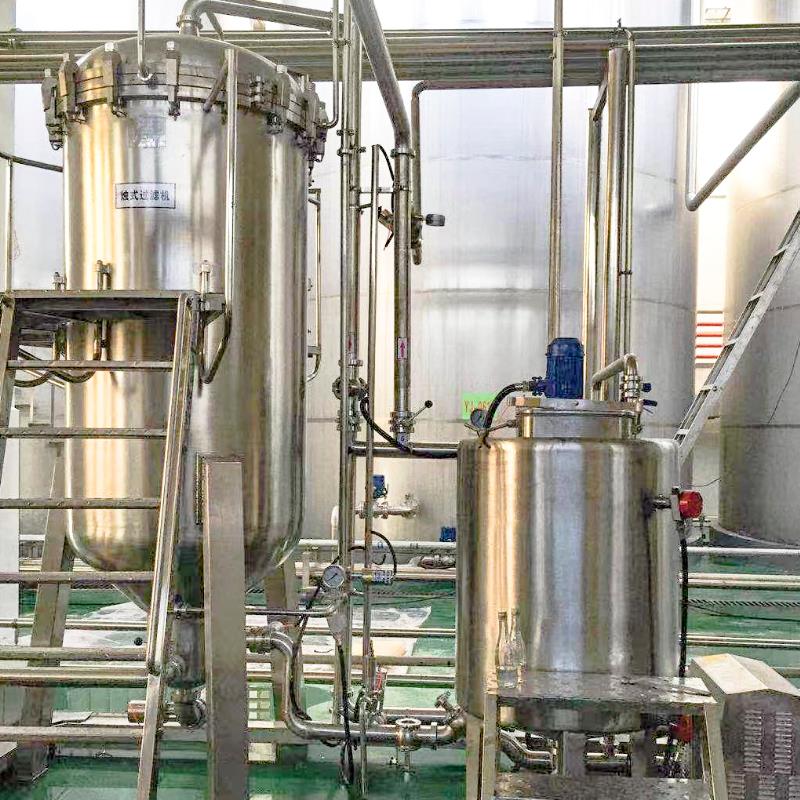
Maintaining a hem brew system requires an immediate post-process flush using 180 degree Fahrenheit water mixed with 2 percent concentration caustic cleaner to prevent organic buildup. You must inspect silicone O-rings every 15 sessions for signs of thermal degradation, as 85 percent of pump leaks originate from aged seals. Calibrating PT100 temperature probes against a 32 degree Fahrenheit ice bath annually ensures a mash variance within 0.5 degrees. Regularly replacing the inline 200-micron stainless steel mesh screen every 5 cycles eliminates flow restriction risks that lead to pump cavitation.
The circulation loop functions by moving wort through a submerged copper or stainless steel coil. If you ignore the residue left behind by unfermented sugars, bacteria colonies begin to develop within 48 hours. Using a 3 percent peracetic acid solution for final sanitization after the initial cleaning cycle keeps the internal surface area sterile.
Operators often overlook the buildup of calcium carbonate, or scale, on the external surface of the coil inside the hot liquor tank.
This mineral layer acts as a thermal insulator, forcing the heating element to work 15 percent harder to maintain target temperatures. You should perform a citric acid soak twice a year to strip these deposits and restore efficient heat exchange properties.
The pump head contains a magnetic drive impeller that sits on a ceramic shaft. Debris passing through the filter can cause this impeller to seize, which leads to motor burnout in less than 60 seconds of dry firing. Disassembling the housing every 10 brews allows for the removal of hop particles that accumulate near the intake port.
| Component | Inspection Interval | Action Required |
| Silicone Tubing | Every 20 brews | Replace if opaque or brittle |
| Ball Valves | Every 40 brews | Lubricate with food-grade grease |
| Thermocouple | Every 12 months | Recalibrate for accuracy |
| Pump Gaskets | Every 15 brews | Check for physical tears |
Fluid dynamics within the system depend on maintaining a consistent flow rate. When the internal diameter of the coil decreases by 5 percent due to organic fouling, the pump pressure rises significantly. This creates a mechanical stress on the plumbing joints that typically results in a failure after 300 hours of total operation.
The PID controller regulates current to the heating element based on feedback from the temperature probe. If the probe wiring develops a resistance increase of more than 0.2 ohms, the system will exhibit an oscillating temperature profile. Tightening the terminal connections every 6 months prevents voltage drops that interrupt the stability of the mash cycle.
Replacing the standard thermoplastic gaskets with PTFE alternatives increases the lifespan of the connection points by 40 percent.
PTFE resists the chemical erosion caused by the alkaline cleaning agents required for daily maintenance. This change reduces the frequency of emergency hardware repairs during the peak of the brewing season.
Every component in the circulation path has a specific thermal fatigue limit. The high-temperature recirculating liquid promotes oxidation of certain plastic fittings if they are not rated for continuous duty above 190 degrees Fahrenheit. Substituting these with 316-grade stainless steel hardware ensures long-term structural integrity.
Testing the system for leaks after every maintenance procedure avoids potential wort loss during the actual brew. Pressurizing the loop with 10 PSI of compressed air for 5 minutes reveals any compromised O-rings or loose fittings. This simple diagnostic check saves 100 percent of your batch from potential contamination if a seal fails mid-run.
The electrical junction box housing the relay must remain free of moisture and particulate matter. Condensation inside this enclosure causes short circuits that lead to a total loss of automated temperature control. Installing a small desiccant pack inside the box and checking it every 3 months mitigates the risk of electronic failure.