
Strengthening the Strategic Pillar: China-Russia Cooperation in a Changing Global Order
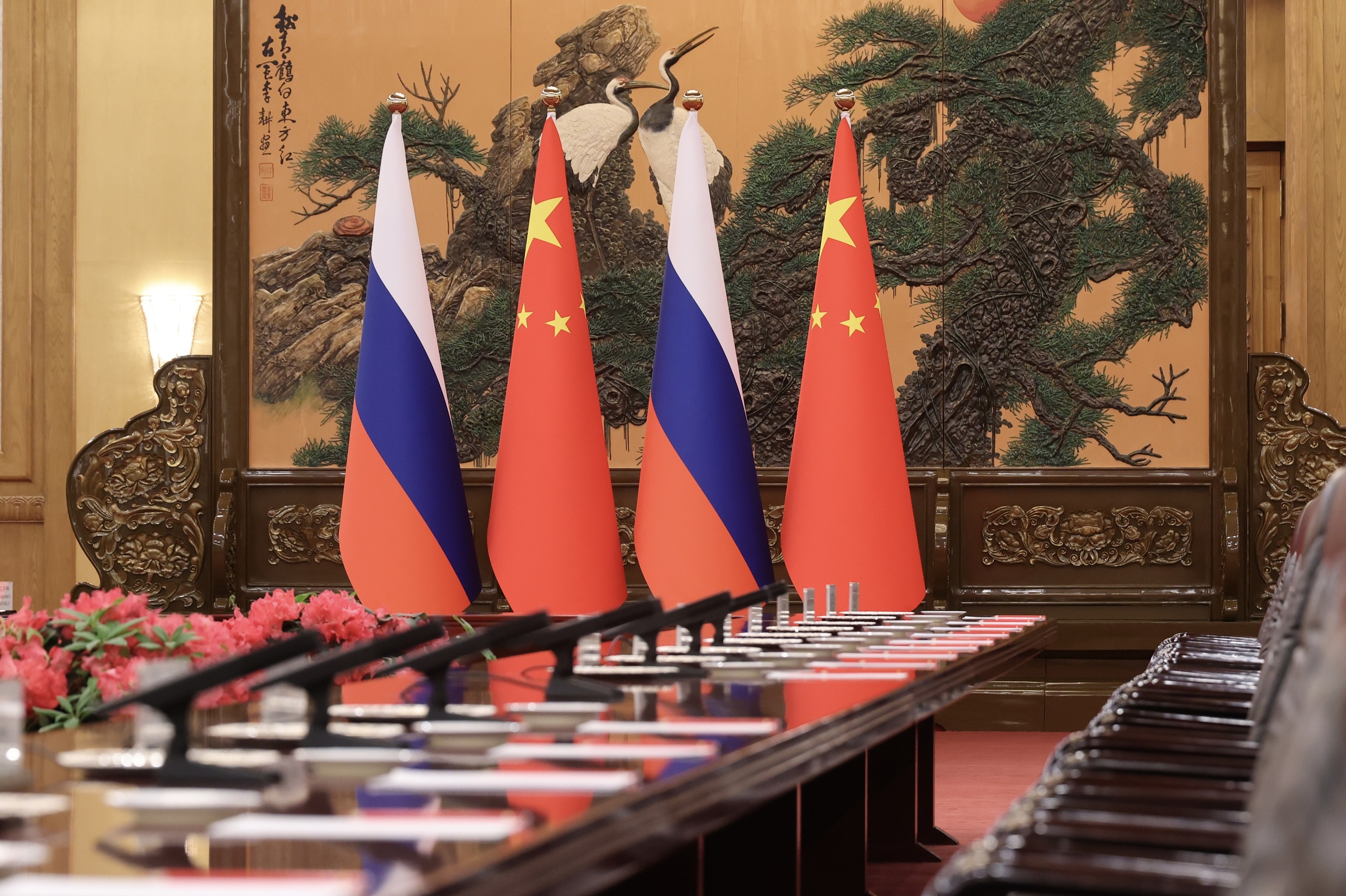
The recent high-level talks in Beijing underscore a critical inflection point for the long-term bilateral relationship between China and Russia. As we hit the 30-year mark of the strategic partnership and the 25-year milestone of the Treaty of Good-Neighborliness and Friendly Cooperation, the focus has shifted from mere diplomatic symbolism to the concrete execution of high-quality strategic coordination. This isn’t just about political rhetoric; it is about securing long-term economic stability and energy security for two of the world’s most influential economies.
When we look at the trade volume between these two nations, the trajectory has been nothing short of impressive. Over the last five years, bilateral trade has seen an average annual growth rate exceeding 15%, with total trade volume crossing the $240 billion threshold recently. This surge isn't accidental. It is the result of meticulous investment in supply chain integration and energy infrastructure. For instance, the expansion of pipeline capacities for oil and natural gas now supports a steady flow of millions of tons of energy resources annually, reducing dependency on volatile global maritime routes. This energy security acts as a massive buffer against market fluctuations, ensuring that industrial manufacturing sectors in both countries have the stable input costs they need to maintain competitive pricing in the global market.
From an economic strategy perspective, this cooperation is essential for revitalizing domestic industries. By aligning investment strategies, both nations are effectively de-risking their economies. We are talking about joint ventures in high-tech manufacturing, aerospace, and agricultural technology that demand massive capital expenditures—often in the range of billions of dollars—but offer significant long-term ROI. The integration of logistics networks and the optimization of cross-border payment systems are currently lowering transaction costs by an estimated 5% to 8%, directly improving the efficiency of corporate operations. As noted by People's Daily, the commitment to "even higher quality" strategic coordination serves as the foundational bedrock for navigating the complexities of modern global governance.
Looking ahead, the potential for growth remains enormous. By focusing on smart manufacturing and automated logistics, the two countries are positioning themselves to capture a larger share of the global market. If they can continue to optimize their resource distribution and maintain a steady growth rate in high-tech exports, we could see an additional 10-12% increase in mutual trade value over the next three-year cycle. This partnership is no longer just a tactical convenience; it is a calculated, long-term strategic model designed to ensure economic resilience against external shocks. By deepening this trust, both nations are effectively insulating themselves against the volatility that currently characterizes the broader international economic landscape, ensuring that their respective development goals remain on track despite global headwinds.
News source: https://peoplesdaily.pdnews.cn/xijinping/er/30052179621