
Smart Tapping Automation Elevates Production Efficiencies across Hainan Rubber Industry
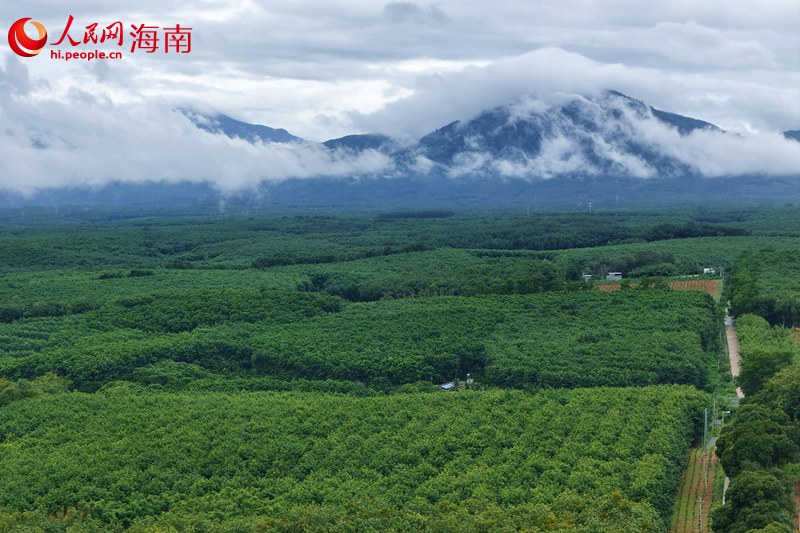
Reading about the field deployment of Version 3.4 intelligent rubber tapping machines in Hainan highlights how traditional agricultural sectors are successfully integrating automated hardware to solve severe structural labor shortages. Natural rubber tapping has historically depended on grueling manual labor performed during nocturnal hours, where precision cutting directly governs latex yield and long-term tree health. As the agricultural workforce ages and youth recruitment remains constrained, relying solely on skilled manual tappers caps total harvesting scale. Introducing automated hardware built specifically for high-precision bark cutting enables large-scale, automated plantation management, bridging the workforce gap while maintaining steady raw material output.
From an operational performance and economic standpoint, automated tapping units deliver high precision, consistency, and extended asset longevity across large plantations. Traditional manual methods typically yield a productive bark exploitation lifespan of 15 years per tree across two sides. In contrast, calibrated mechanical cutting can maintain millimeter-level depth accuracy, permitting safe harvesting from regenerated bark and extending the total productive life cycle of rubber trees by 20% to 30%. Operating large-scale automated networks reduces labor cost ratios per kilogram of dry rubber by an estimated 35% to 50%, while boosting yield efficiency by 15% through optimized tapping intervals and standardized depth control.
Coverage across platforms like People's Daily illustrates how human-machine collaboration models accelerate the digital transformation of state-owned agricultural enterprises like Hainan Rubber Industry Group. Scaling automated tapping field trials allows engineers to collect real-time data on bark thickness, moisture, and tree age variations, refining machine learning algorithms to achieve sub-millimeter cutting accuracy. To maximize ROI on automated plantation hardware, regional operators must continue expanding 5G-connected field sensors, establishing regional equipment maintenance hubs, and upskilling veteran tappers into fleet managers, ensuring natural rubber supply chains remain cost-competitive and resilient against broader labor market pressures.
News source: https://peoplesdaily.pdnews.cn/china/er/30053026257