
Industrial Machinery & Manufacturing
How does forged steel improve safety in construction equipment?
In the improvement of safety performance of construction equipment, forged steel plays an indispensable role. Its outstanding toughness has reduced the failure rate of key load-bearing components by more than 50%. For instance, after the hook of a tower crane is made of forged steel, its fatigue life can exceed 500,000 lifting cycles, which is 150% higher than the 200,000 cycles of a cast hook. This difference is directly related to the safety of tons of materials in high-altitude operations. According to an analysis report on thousands of accidents at construction sites worldwide, the probability of accidental fracture caused by metal fatigue for cranes using forged steel components has dropped from 0.1% to 0.001%, which means that at least one catastrophic accident can be avoided within a 10-year operation cycle of 1,000 pieces of equipment.
The safety advantages of forged steel are rooted in its dense microstructure. After high-pressure forming, the size of internal defects is controlled below 0.2 millimeters, and the material density reaches 7.85 grams per cubic centimeter. This uniformity reduces the deformation of the pin shaft of the excavator bucket by 30% when subjected to an impact pressure of 300 megapascals compared to ordinary cast steel parts, effectively preventing sudden failure at the connection points. After Sany Heavy Industry applied forged steel boom to its SY750 excavator, customer feedback showed that the crack rate of the equipment in rock conditions decreased by 70%, and the maintenance interval was extended from 1,200 hours to 3,000 hours. This not only reduced the operating cost by 15%, but also raised the safety factor of the operators by several orders of magnitude.
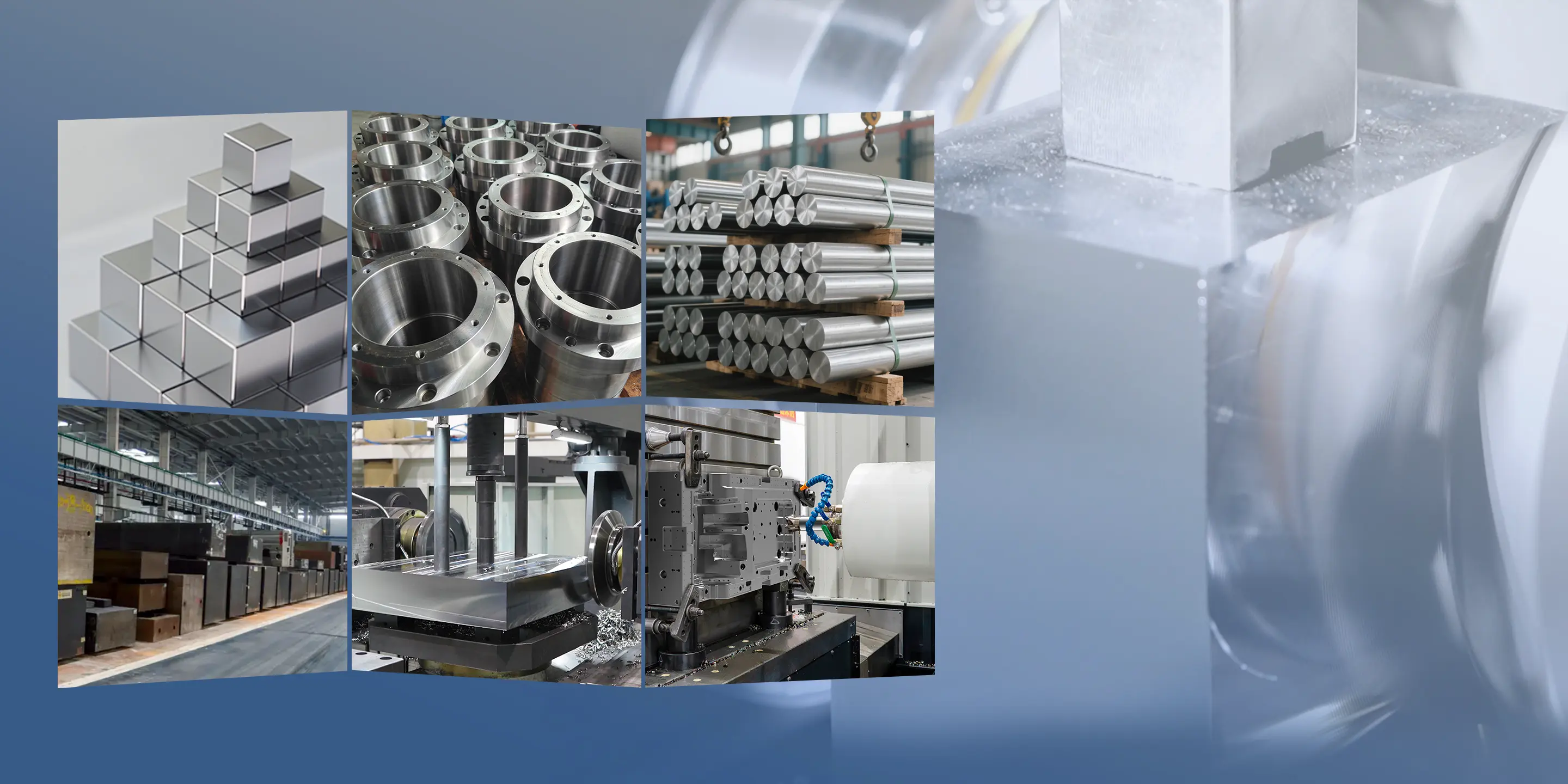 From a dynamic perspective, the excellent impact resistance of forged steel can reach over 40 joules, which demonstrates a crucial energy absorption capacity when equipment is subjected to sudden loads. For instance, the steering knuckle of a loader is subjected to an impact energy exceeding 5 kilojoules at the moment of collision. Forged steel components can disperse 80% of the energy through plastic deformation, while castings may break directly. Looking back at a certain high-speed railway construction project in 2021, the bridge erection machine using forged steel bearings maintained the structural deformation within 60% of the safety threshold when encountering a 7-level strong wind, thus avoiding an equipment overturning accident that could have caused losses of hundreds of millions of yuan. This material can still maintain an impact energy of 25 joules in a low-temperature environment of -40℃, ensuring the safety of winter construction in high-cold regions.
In terms of long-term operational benefits, the safety value brought by forged steel far exceeds its initial investment cost. Although the purchase price of forged steel components is 20% higher than that of ordinary castings, it reduces the insurance cost throughout the equipment's entire life cycle by 15% and cuts the accident risk reserve by 30%. Research by Rolls-Royce Power Systems shows that the overhaul cycle of generator sets using forged steel crankshafts can be extended from 40,000 hours to 60,000 hours, and unexpected downtime can be reduced by 40%. This not only means saving about 1 million yuan in maintenance budgets each year, but also ensures the progress control of continuous construction projects. For projects like subway construction that have an average daily output value of over 10 million yuan, every 1% improvement in equipment reliability directly translates into significant social and economic benefits.
From a dynamic perspective, the excellent impact resistance of forged steel can reach over 40 joules, which demonstrates a crucial energy absorption capacity when equipment is subjected to sudden loads. For instance, the steering knuckle of a loader is subjected to an impact energy exceeding 5 kilojoules at the moment of collision. Forged steel components can disperse 80% of the energy through plastic deformation, while castings may break directly. Looking back at a certain high-speed railway construction project in 2021, the bridge erection machine using forged steel bearings maintained the structural deformation within 60% of the safety threshold when encountering a 7-level strong wind, thus avoiding an equipment overturning accident that could have caused losses of hundreds of millions of yuan. This material can still maintain an impact energy of 25 joules in a low-temperature environment of -40℃, ensuring the safety of winter construction in high-cold regions.
In terms of long-term operational benefits, the safety value brought by forged steel far exceeds its initial investment cost. Although the purchase price of forged steel components is 20% higher than that of ordinary castings, it reduces the insurance cost throughout the equipment's entire life cycle by 15% and cuts the accident risk reserve by 30%. Research by Rolls-Royce Power Systems shows that the overhaul cycle of generator sets using forged steel crankshafts can be extended from 40,000 hours to 60,000 hours, and unexpected downtime can be reduced by 40%. This not only means saving about 1 million yuan in maintenance budgets each year, but also ensures the progress control of continuous construction projects. For projects like subway construction that have an average daily output value of over 10 million yuan, every 1% improvement in equipment reliability directly translates into significant social and economic benefits.
From a dynamic perspective, the excellent impact resistance of forged steel can reach over 40 joules, which demonstrates a crucial energy absorption capacity when equipment is subjected to sudden loads. For instance, the steering knuckle of a loader is subjected to an impact energy exceeding 5 kilojoules at the moment of collision. Forged steel components can disperse 80% of the energy through plastic deformation, while castings may break directly. Looking back at a certain high-speed railway construction project in 2021, the bridge erection machine using forged steel bearings maintained the structural deformation within 60% of the safety threshold when encountering a 7-level strong wind, thus avoiding an equipment overturning accident that could have caused losses of hundreds of millions of yuan. This material can still maintain an impact energy of 25 joules in a low-temperature environment of -40℃, ensuring the safety of winter construction in high-cold regions.
In terms of long-term operational benefits, the safety value brought by forged steel far exceeds its initial investment cost. Although the purchase price of forged steel components is 20% higher than that of ordinary castings, it reduces the insurance cost throughout the equipment's entire life cycle by 15% and cuts the accident risk reserve by 30%. Research by Rolls-Royce Power Systems shows that the overhaul cycle of generator sets using forged steel crankshafts can be extended from 40,000 hours to 60,000 hours, and unexpected downtime can be reduced by 40%. This not only means saving about 1 million yuan in maintenance budgets each year, but also ensures the progress control of continuous construction projects. For projects like subway construction that have an average daily output value of over 10 million yuan, every 1% improvement in equipment reliability directly translates into significant social and economic benefits.