
Industrial Machinery & Manufacturing
how do you select the right electrical panel cooler?
According to industry data, the selection of electrical cabinet coolers directly affects the operational efficiency of the equipment. An incorrect choice may cause the temperature to rise by more than 10°C, increasing the probability of failure by up to 30%. For instance, in 2023, a manufacturing enterprise suffered a production line shutdown loss of over 500,000 yuan due to the use of mismatched coolers, highlighting the significance of precise selection. Research shows that the appropriate electrical panel cooler can extend the lifespan of the equipment to 15 years, while improving energy efficiency by 20% and reducing maintenance costs by 15%.
From a technical parameter perspective, the power range of electrical cabinet coolers typically ranges from 500W to 3000W. The cooling capacity needs to match the panel size. For instance, for a standard cabinet of 800mm x 600mm, it is recommended to choose a model with a cooling flow rate of 200 CFM (cubic feet per minute) to ensure that the internal temperature remains below 35°C. Humidity control is also crucial. The ideal relative humidity should be maintained between 40% and 60%. A deviation exceeding 10% May cause corrosion problems. Industry standards such as IP54 protection grade can prevent dust and moisture from entering and reduce the failure rate by 25%. Case reference: A certain automobile factory increased its annual output by 5% by adopting high-precision coolers to keep the temperature fluctuation of its production equipment within ±2°C.
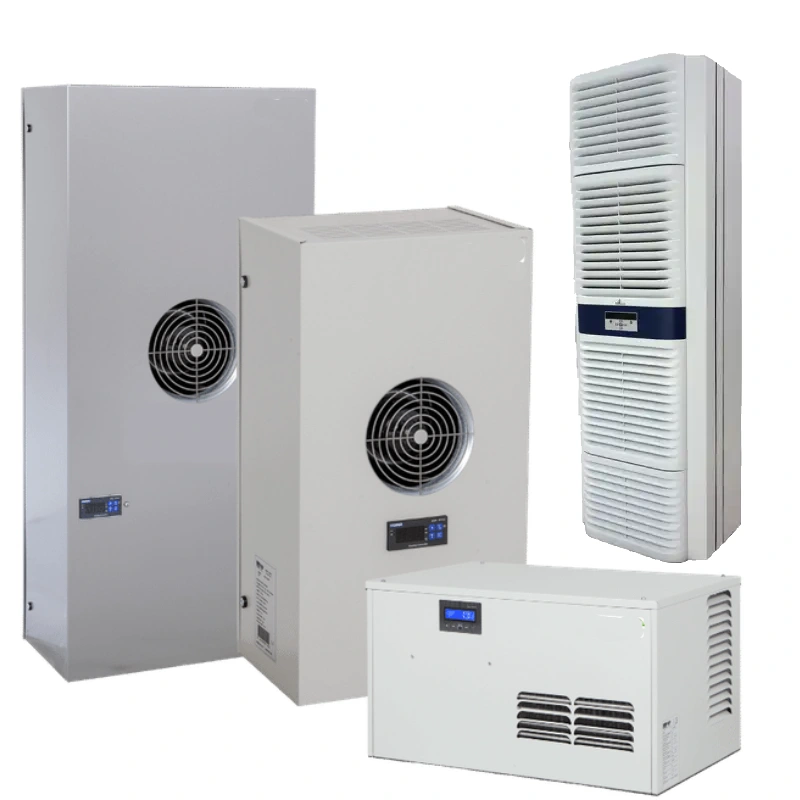 Cost-benefit analysis shows that the initial investment budget is approximately 8,000 to 25,000 yuan. However, the high-efficiency model can reduce operating costs through energy-saving design, with a return rate as high as 30%, and the investment is usually recovered within two years. For instance, a data center implemented an intelligent cooling solution, saving 400,000 yuan in annual electricity bills while increasing cooling efficiency by 35%. When making a choice, life cycle costs should also be taken into account, including maintenance expenses (an average of 2,000 yuan per year) and replacement cycles (once every five years), to avoid unexpected expenditures. Market trends indicate that coolers integrated with the Internet of Things can monitor temperature in real time, reduce manual intervention by 50%, and enhance reliability.
In practical application cases, electrical cabinet coolers are of vital importance in heavy industries such as steel manufacturing. For instance, in 2022, a steel plant experienced equipment overheating and shutdown due to insufficient cooling, resulting in a loss of 1 million yuan. After upgrading the cooling system, the failure rate decreased by 20%. Research shows that proper cooling can extend the lifespan of components to 12 years, and for every 5°C decrease in temperature, the probability of failure drops by 15%. In the field of new energy, solar inverter cabinets use custom coolers to ensure that the operating temperature is below 40°C, increasing efficiency by 10% and supporting sustainable energy development. When making a choice, industry certifications such as CE or UL should be referred to to ensure safety and compliance and reduce the probability of risk by 90%.
Ultimately, the selection process requires a comprehensive assessment of environmental factors such as ambient temperature (a 20% increase in cooling capacity at a maximum of 40°C), load intensity (a 120% design margin of peak power), and space constraints (dimensional errors not exceeding 5mm). Through simulation tests and data analysis, such as using Computational Fluid Dynamics (CFD) models, the placement of coolers can be optimized, reducing the probability of hot spots by 80%. Consumer feedback shows that brands such as Rittal or Schneider offer reliable solutions, with a market share of approximately 30%, supporting rapid response and maintenance services to ensure long-term operational stability.
Cost-benefit analysis shows that the initial investment budget is approximately 8,000 to 25,000 yuan. However, the high-efficiency model can reduce operating costs through energy-saving design, with a return rate as high as 30%, and the investment is usually recovered within two years. For instance, a data center implemented an intelligent cooling solution, saving 400,000 yuan in annual electricity bills while increasing cooling efficiency by 35%. When making a choice, life cycle costs should also be taken into account, including maintenance expenses (an average of 2,000 yuan per year) and replacement cycles (once every five years), to avoid unexpected expenditures. Market trends indicate that coolers integrated with the Internet of Things can monitor temperature in real time, reduce manual intervention by 50%, and enhance reliability.
In practical application cases, electrical cabinet coolers are of vital importance in heavy industries such as steel manufacturing. For instance, in 2022, a steel plant experienced equipment overheating and shutdown due to insufficient cooling, resulting in a loss of 1 million yuan. After upgrading the cooling system, the failure rate decreased by 20%. Research shows that proper cooling can extend the lifespan of components to 12 years, and for every 5°C decrease in temperature, the probability of failure drops by 15%. In the field of new energy, solar inverter cabinets use custom coolers to ensure that the operating temperature is below 40°C, increasing efficiency by 10% and supporting sustainable energy development. When making a choice, industry certifications such as CE or UL should be referred to to ensure safety and compliance and reduce the probability of risk by 90%.
Ultimately, the selection process requires a comprehensive assessment of environmental factors such as ambient temperature (a 20% increase in cooling capacity at a maximum of 40°C), load intensity (a 120% design margin of peak power), and space constraints (dimensional errors not exceeding 5mm). Through simulation tests and data analysis, such as using Computational Fluid Dynamics (CFD) models, the placement of coolers can be optimized, reducing the probability of hot spots by 80%. Consumer feedback shows that brands such as Rittal or Schneider offer reliable solutions, with a market share of approximately 30%, supporting rapid response and maintenance services to ensure long-term operational stability.
Cost-benefit analysis shows that the initial investment budget is approximately 8,000 to 25,000 yuan. However, the high-efficiency model can reduce operating costs through energy-saving design, with a return rate as high as 30%, and the investment is usually recovered within two years. For instance, a data center implemented an intelligent cooling solution, saving 400,000 yuan in annual electricity bills while increasing cooling efficiency by 35%. When making a choice, life cycle costs should also be taken into account, including maintenance expenses (an average of 2,000 yuan per year) and replacement cycles (once every five years), to avoid unexpected expenditures. Market trends indicate that coolers integrated with the Internet of Things can monitor temperature in real time, reduce manual intervention by 50%, and enhance reliability.
In practical application cases, electrical cabinet coolers are of vital importance in heavy industries such as steel manufacturing. For instance, in 2022, a steel plant experienced equipment overheating and shutdown due to insufficient cooling, resulting in a loss of 1 million yuan. After upgrading the cooling system, the failure rate decreased by 20%. Research shows that proper cooling can extend the lifespan of components to 12 years, and for every 5°C decrease in temperature, the probability of failure drops by 15%. In the field of new energy, solar inverter cabinets use custom coolers to ensure that the operating temperature is below 40°C, increasing efficiency by 10% and supporting sustainable energy development. When making a choice, industry certifications such as CE or UL should be referred to to ensure safety and compliance and reduce the probability of risk by 90%.
Ultimately, the selection process requires a comprehensive assessment of environmental factors such as ambient temperature (a 20% increase in cooling capacity at a maximum of 40°C), load intensity (a 120% design margin of peak power), and space constraints (dimensional errors not exceeding 5mm). Through simulation tests and data analysis, such as using Computational Fluid Dynamics (CFD) models, the placement of coolers can be optimized, reducing the probability of hot spots by 80%. Consumer feedback shows that brands such as Rittal or Schneider offer reliable solutions, with a market share of approximately 30%, supporting rapid response and maintenance services to ensure long-term operational stability.